
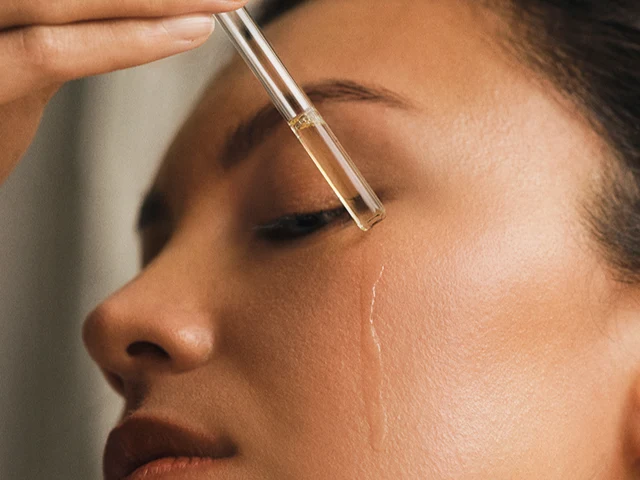
Top 4 At-Home Skincare Trends of 2025
As consumers become more informed and devices get smarter, the line between professional skincare and at-home options continues to narrow in 2020s. This year’s trending products prove that effective skin transformation doesn’t always need to be outside home. Below, are top at-home skincare trends shaping the routines of 2025.
1. Intelligent Skin Devices
At-home skincare devices have evolved far beyond primitive LED masks of the past. In 2025, the spotlight is on smart, adaptive devices that adjust treatment intensity based on your skin’s real-time condition. For example, handheld tools using radiofrequency or ultrasound now incorporate sensors that measure skin hydration, elasticity, and even the tiniest shifts in skin temperature. This helps the device personalize the energy output for safer and more effective results.
AI-guided routines are another major leap. Companion apps can now assess your skin through high-res scans and recommend tailored treatment sessions. Please note that these tools don’t replace in-clinic procedures of cosmetic dermatologists, but they significantly enhance daily maintenance by optimizing how often and how intensely each treatment is applied.
2. Next-Generation Active Ingredients
Formulations in 2025 continue to push the boundaries of what topicals can achieve at home. A major trend is the shift from heavy-duty actives toward regenerative, biomimetic ingredients that work with the skin instead of overwhelming it. Scientists now understand that the key to brighter, more resilient skin lies not only in exfoliation but also in supporting the skin barrier and microenvironment.
Among the most notable ingredients of 2025 are:
- Peptide complexes engineered to trigger collagen renewal with minimal irritation
- Growth factor–mimicking molecules, which promote smoother texture and improved elasticity
- Advanced ceramide blends, formulated to repair the barrier faster and more efficiently
- Slow-release retinoids, designed to deliver the benefits of traditional retinol with noticeably less dryness
- Antioxidant nanocarriers, which stabilize sensitive ingredients like vitamin C and deliver them deeper into the epidermis
These innovations mean that users with sensitive or reactive skin can now enjoy treatments that were previously too harsh, while experienced skincare users benefit from more consistent and long-lasting results.
3. Top Product Types to Try in 2025
If you’re looking to upgrade your routine this year, here are the at-home product categories leading the way:
- Microcurrent facial tools for muscle toning and contour support
- RF (radiofrequency) tightening devices for collagen stimulation and early wrinkle prevention.
- LED therapy masks for rejuvenation and calming effects.
- Liquid microneedling serums for deep penetration and higher efficiency.
- Barrier-repair emulsions for dry or sensitive skins.
- Enzyme-based exfoliation gels, which are alternative to acids.
- High-potency hydrators offering multi-level hydration.
These categories combine convenience with noticeable results, making them some of the most popular choices among both dermatologists and skincare enthusiasts.
4. Personalized Skin Health Routines
Finally the ever growing trend since 2000s; yes, we’re talking about personalization. With the rise of remote diagnostic tools, more people understand their skin type, tolerance, and needs. This allows them to assemble customized routines that adapt through the seasons or life changes.
In particular, data-driven skincare is gaining ground. Skin analyzers and apps offer precise hydration measurements, pore analyses, UV damage tracking, and even barrier-function estimates. This empowers users to adjust their routines thoughtfully rather than through trial and error. Cosmetic dermatologists now often integrate these at-home assessments into professional treatment plans, creating a seamless balance between clinic care and at-home maintenance.
By embracing these innovations, 2025 offers more opportunities than ever to maintain healthy, radiant skin. With smarter devices, gentler actives, and personalized feedback tools, your home skincare routine can now become one of the most powerful components of your skin health.


