
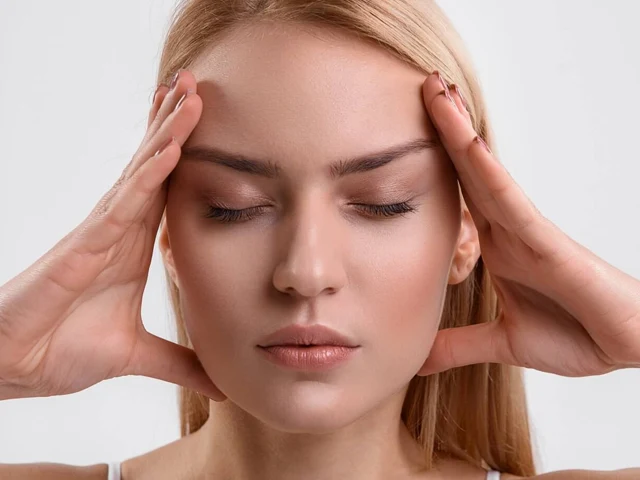
Stress and Skin Health: Controlling Cortisol For Brighter Skin
You can’t detect stress on an X-ray, document it with an MRI, or see it under a microscope, yet it is responsible—to a greater or lesser degree—for many skin health problems. Sometimes it is the root cause, sometimes it amplifies the issue, and sometimes it delays healing.
According to reliable sources based on studies from the American Psychiatric Association and psychodermatology research, psychological factors (stress, anxiety, and depression) are involved in more than 30-33% of skin health patients. Sources indicate that nearly one-third of skin diseases (around 30%) are associated with psychological issues, including stress. For example:
- In psoriasis, stress triggers flare-ups in 50-80% of patients.
- In atopic dermatitis, more than 70% of cases are linked to stress.
- In rosacea and alopecia areata, emotional triggers are reported in over 90% of cases.
How does stress age our skin?
Stress is a natural response and an unavoidable part of life. Whether it’s work deadlines, personal responsibilities, or global uncertainties, chronic stress can take a toll not just on your mental well-being but also on your skin. The primary culprit? A hormone called cortisol. It is your body’s billion year old natural response to survive in the wilderness, playing a vital role in the fight-or-flight mechanism. However, when its level remains elevated over time, it can wreak havoc on skin health, contributing to issues like acne, premature aging, inflammation, and a weakened skin barrier.
Recent studies, including a 2025 exploratory clinical research published in the Journal of Cosmetic Dermatology, highlight how moderate chronic psychological stress significantly impairs skin homeostasis.
Let’s understand the mechanism of cortisol for healthier skin
Cortisol’s impact on the skin is multifaceted. First, it stimulates sebaceous glands to produce excess oil, clogging pores and leading to breakouts. This is why many people notice “stress acne” during high-pressure periods. Chronic inflammation follows, exacerbating conditions like rosacea, eczema, and psoriasis. Cortisol also breaks down collagen and elastin—key proteins for skin firmness—accelerating wrinkles, sagging, and dullness. Additionally, it impairs the skin’s natural barrier, reducing lipid production and moisture retention, which results in dryness, sensitivity, and slower healing. Prolonged exposure can even contribute to hyperpigmentation, redness, and a tired appearance often dubbed “cortisol face.”
The brain-skin connection, known as the psychodermatology axis, explains this link. Stress activates the hypothalamic-pituitary-adrenal (HPA) axis, flooding the body with cortisol, which then influences immune responses and inflammation directly in the skin. As noted in ongoing research into 2026 trends, factors like environmental stressors compound this, making stress management essential for long-term skin longevity.
Signs of stress on skin
As we mentioned earlier, stress cannot be identified by any of the medical screening techniques, but you or your expert cosmetic dermatologist can easily notice it’s somewhere around. Here are the top signs:
- Acne breakouts: Excess cortisol can stimulate oil production overnight, clogging pores and leading to pimples.
- Dryness and dehydration: Stress weakens the skin barrier, reducing moisture retention and causing flaky or tight skin.
- Dull, lackluster appearance: Reduced circulation and cellular turnover result in a tired, uneven tone.
- Premature wrinkles and fine lines: Cortisol breaks down collagen and elastin, accelerating aging signs.
- Dark circles and under-eye bags: Poor sleep and fluid retention from elevated cortisol cause puffiness and shadows.
- Redness and inflammation: Increased sensitivity triggers flushing or persistent redness.
- Flare-ups of existing conditions: Stress worsens eczema, psoriasis, rosacea, or hives with itching, rashes, or plaques.
- Rough texture or uneven skin: Barrier damage leads to patchy or irritated feel.
5 Expert Tips to Protect Your Skin from Stress Damage
Yes, you really can control stress and lower the cortisol level in your bloodstream. Here are expert level tips you can practice yourself:
- One of the most effective methods is mindfulness meditation. Regular practice— even 10-20 minutes daily—has been shown to lower cortisol levels significantly, reduce inflammation, and improve skin conditions like atopic dermatitis and psoriasis. Techniques like mindfulness-based stress reduction (MBSR) encourage present-moment awareness, calming the nervous system and fostering relaxation.
- Deep breathing exercises are another quick win. They activate the parasympathetic “rest and digest” response, countering cortisol’s effects and promoting better sleep, which is crucial for skin regeneration.
- Yoga combines movement with breathwork, offering dual benefits. Studies indicate it reduces cortisol while improving blood flow and flexibility, leading to glowing skin and fewer flare-ups in stress-related conditions.
- Progressive muscle relaxation involves tensing and releasing muscle groups sequentially, easing physical tension and signaling the body to unwind. Research shows it decreases itching and improves barrier recovery in stressed skin.
- Nature immersion, or “forest bathing,” is gaining traction for its rapid cortisol-lowering effects—often faster than indoor meditation. Spending 20-30 minutes in green spaces calms the mind and reduces inflammation.
By prioritizing these relaxation techniques, you’re not just managing stress—you’re investing in your skin’s future. Need more? Consult a cosmetic dermatologist for personalized advice, especially if stress-related skin issues persist.


