
What Are Exosomes? Benefits and Treatment Methods
From dermatology to cardiology, exosome therapy is one of the top trending approaches in past decade of medical world. But what is this tiny miracle and how has it changed the game?
Exosomes are small vesicles that carry genetic material and biomolecules, and they play a significant role in both intercellular communication and intracellular interactions. Exosome therapy involves the therapeutic use of exosomes to support cell regeneration and tissue repair. It offers unprecedented benefits in fields such as dermocosmetics, dermatology, aesthetic surgery, neurology, and cardiovascular medicine; it is used for skin rejuvenation, hair loss treatment, and cardiac tissue regeneration.
These nanoscale structures form naturally by budding from the cell membrane and participate in numerous biological processes. Thanks to the proteins, lipids, DNA, RNA, and other bioactive molecules they contain, they perform the function of information transfer.
Benefits of exosomes
Exosomes are small vesicles that play a significant role in intercellular communication. Thanks to the biomolecules they contain, they transport information between cells and, with these properties, offer potential benefits in various biomedical applications:
- Skin regeneration
- Anti-aging effects
- Regenerative medicine applications
- Intercellular communication and signal transduction
- Drug delivery and targeting systems
What is exosome therapy?
Exosome therapy is an innovative biological treatment method that utilizes exosomes secreted by cells for therapeutic purposes. Thanks to the proteins, lipids, genetic material, and growth factors carried by exosomes, effects such as repairing damaged tissues, supporting cell regeneration, and reducing inflammation can be achieved. This treatment method holds particular promise in fields such as regenerative medicine, neurological disorders, and immune system disorders.
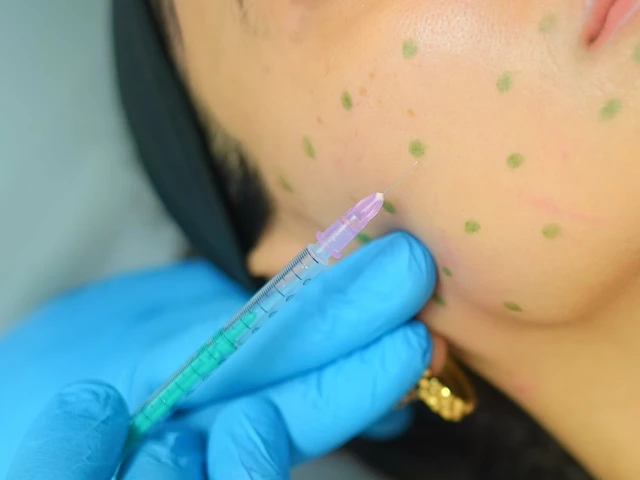
Exosome therapy is typically administered by injecting exosomes—derived from stem cells or immune system cells—into the body. This treatment method aims to support natural biological processes through a minimally invasive approach. Research indicates that exosome therapy is a safe and effective method; however, further studies are needed regarding long-term outcomes and clinical benefits.
Exosome therapies in aesthetics and dermatology
Exosomes contain growth factors, proteins, and micro-RNAs that promote skin regeneration. Thanks to these properties, they may be effective in anti-aging treatments, the removal of skin blemishes, and the reduction of scarring. Exosome therapy helps the skin appear firmer and more youthful by increasing collagen production. Additionally, it has been shown that exosomes support hair growth by stimulating hair follicles in the treatment of hair loss.
Exosome therapies in neurological diseases
Exosomes hold promise in the treatment of neurological diseases by delivering genetic material and biomolecules to brain cells. In conditions such as Alzheimer’s disease, Parkinson’s disease, and stroke, exosomes may help regenerate nerve cells and repair damaged tissues. Furthermore, because exosomes have the ability to cross the blood-brain barrier, they can also be used as drug carriers.
Exosome therapies for cardiovascular diseases
Exosomes carry growth factors and genetic material that support heart and vascular health. Studies have shown that exosomes are effective in repairing heart tissue damaged after a heart attack. Additionally, they can be used in the treatment of vascular diseases by supporting the angiogenesis (formation of new blood vessels) process.
Who are eligible for exosome therapies?
Although exosome therapy is an innovative method that supports cellular regeneration, it may not be suitable for everyone. This treatment is not recommended for individuals with certain health conditions. It is important to conduct a suitability assessment before treatment. Exosome therapy is not suitable for the following individuals:
- Pregnant women and breastfeeding mothers
- Individuals with active infections, bleeding disorders, or a history of cancer
- Individuals with severe immune system disorders (autoimmune diseases)
Possible side effects of exosome therapies
Like any treatment, exosome therapy may have some side effects. These side effects are generally mild and short-lived, and most people do not experience any issues after treatment. However, the following local reactions and rare systemic effects should be considered prior to treatment:
- Redness and mild swelling at the injection site
- Temporary pain or tenderness
- Autoimmune reactions and allergic reaction.
- Infection risks in non-sterile conditions


